Cinematic previsualization
Turn a written scene into moving storyboards with camera direction, performance, atmosphere, and synchronized sound.
Official model guide and online generator
Create cinematic AI video with native dialogue, sound effects, first-and-last-frame control, and output up to 4K. Use the Veo 3.1 AI video generator directly below to create from a prompt, image, frame pair, or supported references.
The complete Open Sora video workspace is embedded here and starts with Veo 3.1 selected. You can still compare variants or switch models without losing the rest of the workflow.
Generation requires an account and uses credits based on the selected model, variant, duration, resolution, and other settings. Failed tasks are refunded automatically.
Understand where Veo 3.1 fits before spending time on references, prompts, and final-resolution generations.
Veo 3.1 is designed for filmmakers, brand teams, and storytellers who need realistic motion together with usable sound. It combines strong prompt following with first-frame and last-frame guidance, so a shot can begin and finish on deliberate compositions instead of leaving the full visual arc to chance.
For directors, advertising teams, product filmmakers, previsualization artists, and social creators, the practical advantage is not a single headline benchmark. It is the way Veo 3.1 combines Text to video, image to video, first and last frame with Text prompts and up to two frame images. That combination determines whether the model can preserve a prepared visual direction or needs to invent most of the scene from language alone.
On this page, research and production live in one flow. Read the official specifications, study the source material, use the prompt framework, and then work in the embedded generator. The selected model defaults to Veo 3.1, while the rest of Open Sora's upload, progress, history, reuse, and download experience stays available.
Use these official capabilities to plan the input, format, duration, and production tier before you generate.
Start with work where the model's strongest controls create a practical advantage rather than choosing only by maximum resolution.
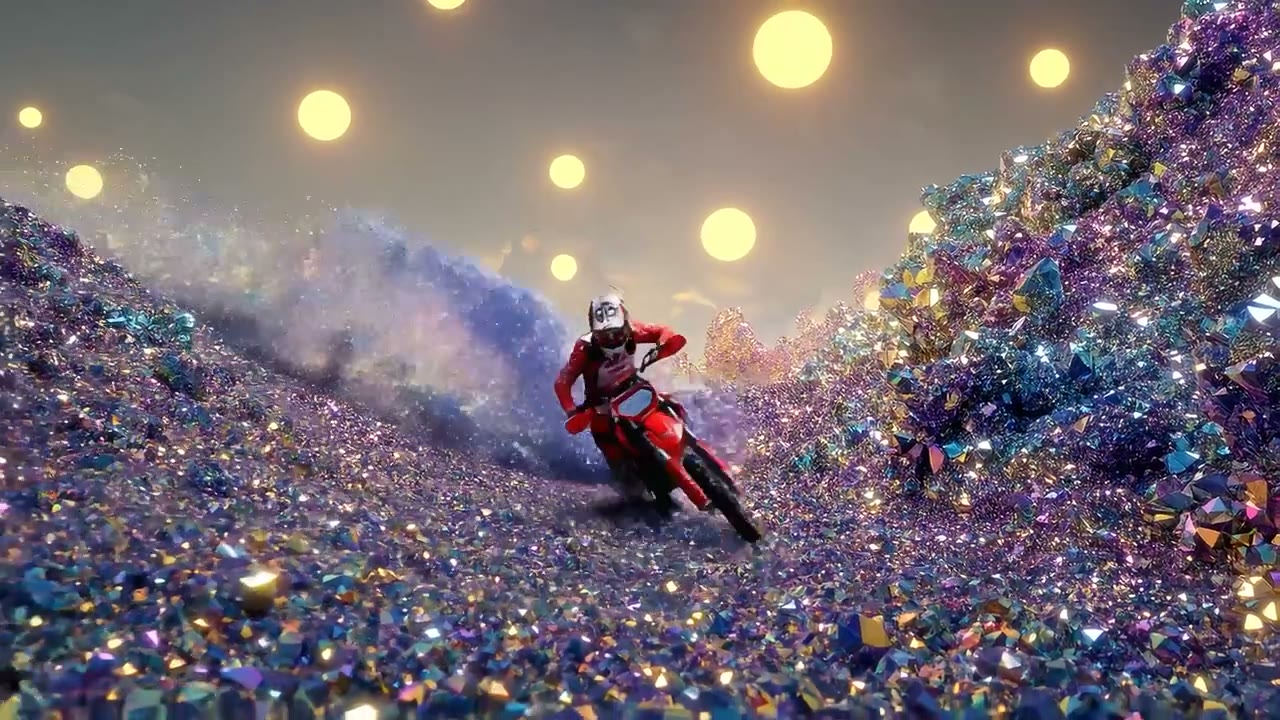
Turn a written scene into moving storyboards with camera direction, performance, atmosphere, and synchronized sound.
Create controlled reveals and transitions by anchoring the opening and closing compositions with product frames.
Generate native 9:16 shots with dialogue and effects for Shorts, Reels, TikTok, and mobile-first advertisements.
Explore locations, creatures, physical action, and environmental sound before committing to a larger production.
This official media was downloaded from the model developer's launch or product material and optimized for fast playback on this page.
Official source material: Official Google DeepMind Veo launch footage, downloaded and optimized for this model guide.
Move from a creative idea to a configured Veo 3.1 generation without leaving this model page.
Write the subject, action, environment, camera, style, timing, and sound. If you have reference media, upload it and explain the role of each asset.
Keep Veo 3.1 selected, choose the appropriate variant, mode, duration, aspect ratio, resolution, and audio settings, then check the displayed credit cost.
Start the task, follow progress in the result panel, review the completed video, reuse its settings for another take, or download the finished file.
The defining capabilities that shape how Veo 3.1 handles direction, references, motion, sound, and delivery.
Generate dialogue, ambience, music, and effects together with the picture so timing and action can be planned as one audiovisual shot.
Guide both ends of a clip with images to shape transitions, product reveals, transformations, and carefully composed camera moves.
Choose 720p for iteration, 1080p for everyday delivery, or 4K when the shot needs additional detail for a larger screen.
Use Fast for lower-cost exploration and move to Quality when fidelity, prompt adherence, and final-shot polish matter most.
Refine what should stay out of the frame and reuse a seed when you want a more controlled series of creative attempts.
Describe lens choice, framing, movement, lighting, performance, and sound cues in one production-oriented prompt.
A strong Veo 3.1 prompt behaves like a compact production brief: it gives the model a subject, an ordered action, a camera plan, an art direction, and a soundtrack.
Subject + ordered action + environment + camera + lighting + visual style + timing + dialogue and sound + consistency constraints
“A slow 50mm tracking shot follows a ceramic perfume bottle across a rain-dark stone table. Warm window light catches the glass while the camera arcs toward a final centered hero composition. Quiet room tone, delicate glass taps, and a low cinematic pulse; no narration.”
Name the framing, lens feeling, camera movement, subject action, environment, lighting, and visual finish.
Describe dialogue exactly, then add ambience, foley, music, and any moments that should be silent.
Upload clean first and last images with matching subjects when composition and continuity must stay controlled.
Choose a tier and format based on where you are in the creative process. Draft settings are for finding the shot; premium settings are for finishing a direction that already works.
| Capability | Veo 3.1 support |
|---|---|
| Variants | Fast and Quality |
| Generation modes | Text to video, image to video, first and last frame |
| Inputs | Text prompts and up to two frame images |
| Reference control | First frame and optional last frame |
| Duration | 4, 6, or 8 seconds |
| Resolution | 720p, 1080p, and 4K |
| Aspect ratios | 16:9 landscape and 9:16 vertical |
| Audio | Native dialogue, ambience, music, and sound effects |
AI video is most reliable when the prompt gives each shot one readable visual idea. Review important details before publishing and treat the first generation as a directed take that can be refined.
Complex multi-character interaction, fast occlusion, readable text, logos, hands, and exact object counts can still vary between takes. Use clear references, simplify crowded action, and inspect continuity frame by frame.
Higher resolution does not replace art direction. Lock the story beat, composition, movement, and sound at an economical setting first; then move the strongest direction to the premium variant or resolution.
Veo 3.1 is a Google DeepMind AI video generation model. Veo 3.1 is designed for filmmakers, brand teams, and storytellers who need realistic motion together with usable sound. It combines strong prompt following with first-frame and last-frame guidance, so a shot can begin and finish on deliberate compositions instead of leaving the full visual arc to chance. Open Sora places the complete generator on this page so you can move from research to creation without opening a separate workspace.
Veo 3.1 supports Text to video, image to video, first and last frame. That range lets you start with a written idea, guide the opening with an image, or use additional references when the composition, identity, or motion must be more controlled.
You can create 4, 6, or 8 seconds video with output at 720p, 1080p, and 4K. Pick a lower resolution for quick creative exploration, then use the highest appropriate setting when you are ready to evaluate detail or deliver the shot.
Veo 3.1 supports Native dialogue, ambience, music, and sound effects. Write dialogue, ambience, music, and effects as deliberate parts of the prompt so the soundtrack supports the visible action and emotional rhythm of the scene.
The model accepts Text prompts and up to two frame images. Its reference workflow supports First frame and optional last frame. Give every uploaded asset a clear role in the prompt instead of expecting the model to infer which image controls identity, style, composition, or movement.
Veo 3.1 is a strong fit for directors, advertising teams, product filmmakers, previsualization artists, and social creators. The best choice still depends on the shot: use this page's facts, features, examples, and prompt guide to decide whether its particular balance of control, speed, resolution, sound, and references matches the job.
A reliable prompt names the subject, action, location, camera, lighting, visual style, timing, and sound. Put events in chronological order, quote exact dialogue, and state what must remain consistent. When you upload references, identify each one explicitly.
Yes. The full Veo 3.1 generator is embedded directly below the hero on this page. Choose text, image, frames, or references as appropriate, configure the available controls, review the visible credit cost, and start the generation without leaving the model guide.
Model capabilities and media on this page were researched from the developer's official product pages, announcements, and documentation.
Open the complete Veo 3.1 AI video generator above, add your prompt or references, and turn the next shot on your list into a finished video.
Start generatingBrowse all models